What Are Varicose Veins and Chronic Venous Disease?
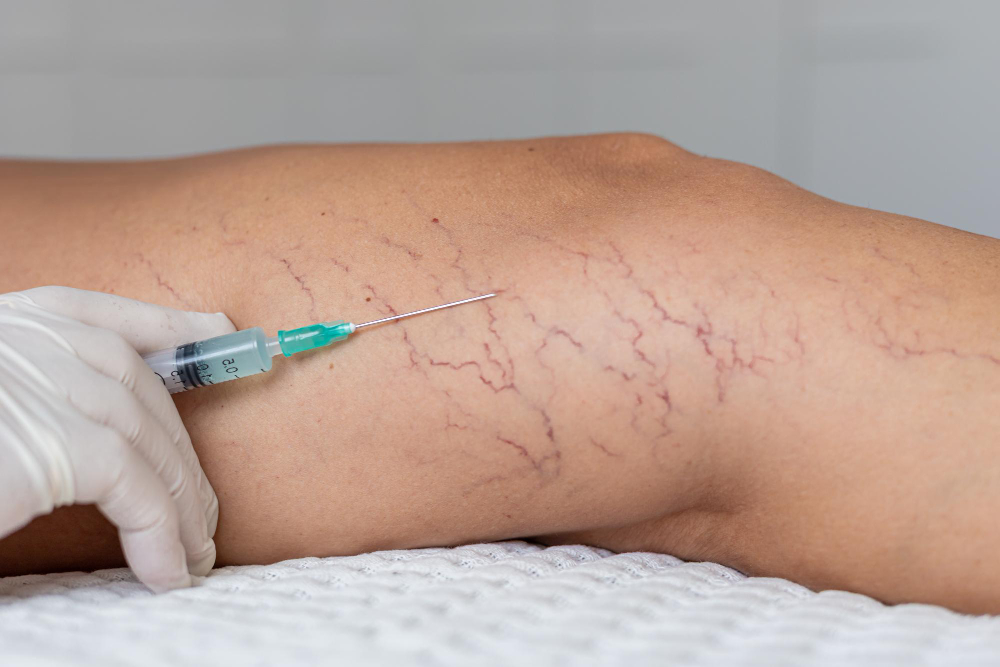
Varicose veins are swollen, twisted veins that often appear on the legs. They are a common sign of chronic venous disease. This condition happens when the veins in your legs have trouble sending blood back to your heart. As a result, blood pools in the veins, making them bulge. Many people wonder about chronic venous disease treatment and when to consider surgery for varicose veins. Understanding vein surgery options can help you make informed choices.
Symptoms and Causes
Varicose veins and chronic venous disease can cause many symptoms. Some people may notice only mild discomfort. Others may have more serious problems. Common symptoms include:
Several factors can cause these problems. For example, weak vein walls or faulty valves can lead to blood pooling. Age, family history, pregnancy, obesity, and standing for long periods also increase your risk. According to the CDC, women are more likely to develop varicose veins than men.
Diagnosis and When to Seek Help
Doctors can often diagnose varicose veins by looking at your legs and asking about your symptoms. Sometimes, they may use an ultrasound to check blood flow in your veins. If you notice pain, swelling, or skin changes, it is important to seek help. Early treatment can prevent problems from getting worse. In some cases, untreated varicose veins can lead to sores or blood clots. Therefore, do not ignore new or worsening symptoms.
Non-Surgical Treatments: What Are the Options?
Many people can manage varicose veins without surgery. Non-surgical treatments are often tried first. These options include:
For mild cases, these steps can relieve symptoms. However, if symptoms persist or get worse, you may need to consider other treatments.
When Is Surgery the Answer?
Sometimes, non-surgical treatments are not enough. Surgery may be the answer if:
According to the American College of Phlebology, surgery is often safe and effective. Your doctor will help you decide if surgery is right for you. In many cities, advanced vein surgery options are now available.
Types of Surgical Procedures for Varicose Veins
There are several types of vein surgery. Each has its own benefits. Common procedures include:
Your doctor will suggest the best option based on your needs. Most procedures are done as day surgery, so you can go home the same day.
Recovery and What to Expect After Surgery
After surgery, most people recover quickly. However, you may have some bruising or swelling. To help your recovery:
Most people return to normal activities within a week. Still, full healing may take a few weeks. If you notice severe pain, redness, or swelling, contact your doctor right away.
Prevention and Lifestyle Tips
While you cannot always prevent varicose veins, you can lower your risk. Try these tips:
With these steps, you can support healthy veins and reduce symptoms.
Consult a specialist Dr. Ketika Potey to discuss the best treatment options for your needs.