What Is a Pneumonectomy?
Pneumonectomy is a surgery to remove one lung. Doctors may suggest this procedure when a lung is badly damaged or diseased. Often, it is done to treat lung cancer, but other conditions may also require it. Because this surgery is major, doctors only recommend it when other treatments will not work. Pneumonectomy can help improve quality of life for some people. However, it is important to know what to expect before and after the surgery.
When Is Pneumonectomy Needed?
Doctors may recommend pneumonectomy for several reasons. For example, it is often used to treat:
Sometimes, people have symptoms like chest pain, coughing up blood, or trouble breathing. If these symptoms are due to a damaged lung, surgery may be needed. However, doctors will check carefully before making this decision.
Causes and Indications for Surgery
Most often, lung cancer is the main reason for pneumonectomy. In addition, other causes include infections like tuberculosis or fungal diseases. Sometimes, a lung may be so damaged from injury or repeated infections that it cannot work. In these cases, removing the lung may help prevent further health problems. Doctors will only suggest this surgery if it is the best option for your health.
Diagnosis and Pre-Surgical Evaluation
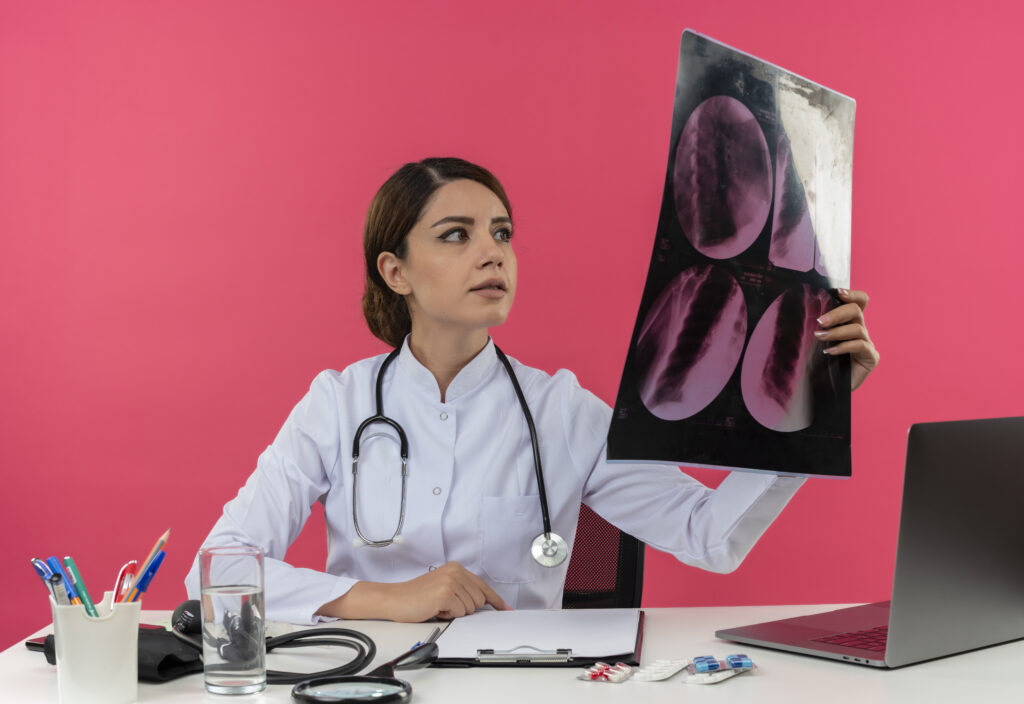
Before surgery, doctors will do several tests. These help decide if pneumonectomy is safe for you. Common tests include:
After these tests, your doctor will talk with you about the risks and benefits. If you have questions, this is a good time to ask.
The Pneumonectomy Procedure: What to Expect
On the day of surgery, you will get medicine to help you sleep. The surgeon will make a cut on your side or back. Then, the damaged lung is carefully removed. After that, the surgeon closes the chest. You will wake up in a recovery area. Nurses and doctors will watch you closely. Most people stay in the hospital for several days after pneumonectomy.
Pneumonectomy Recovery and Aftercare
Recovery from pneumonectomy takes time. At first, you may feel tired and short of breath. However, with rest and care, most people get stronger each week. Here are some tips for recovery:
In addition, some people may need physical therapy. This can help you regain strength and energy. If you notice new symptoms, call your doctor right away.
Risks of Pneumonectomy
Like any major surgery, pneumonectomy has risks. Some possible complications include:
However, doctors take many steps to lower these risks. They will watch you closely during and after surgery. According to the CDC and medical journals, most people recover well, but it is important to know the risks.
Living with One Lung: Tips and Guidance
After pneumonectomy, you can still live a full life. Your remaining lung will work harder to help you breathe. Here are some tips for living with one lung:
With time, most people adjust well. However, listen to your body and take breaks as needed.
Prevention and When to Seek Medical Advice
While not all lung problems can be prevented, you can lower your risk by:
If you have chest pain, trouble breathing, or cough up blood, see a doctor right away. Early care can make a big difference.
Conclusion
Pneumonectomy is a major surgery that can treat specific lung conditions. With proper care and support, many patients recover well and lead active lives with one lung. For personalized guidance and expert advice on pneumonectomy, consult Dr. Ketika Potey.