
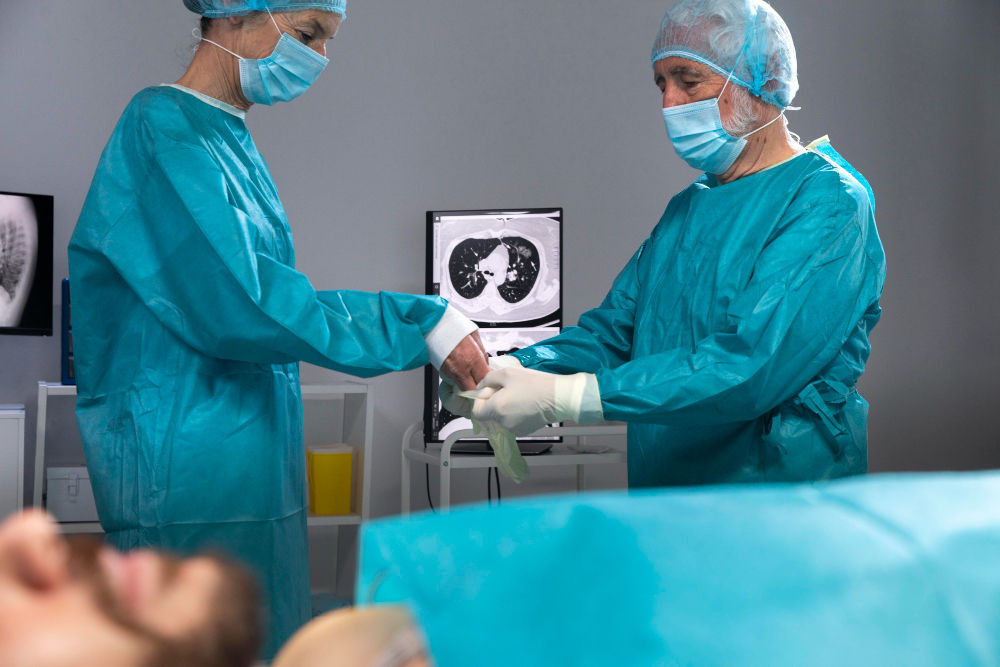
What is a Pneumonectomy?
Pneumonectomy is a type of lung removal surgery. In this procedure, doctors take out one entire lung. Usually, this surgery is done when other treatments do not work. Sometimes, it is the only way to remove a serious problem in the lung. For many people, hearing about lung removal can be scary. However, doctors only suggest it when it is truly needed.
Main Indications for Pneumonectomy
Pneumonectomy indications are the main reasons why doctors recommend this surgery. Often, these reasons are serious and cannot be treated with medicine alone. Some common indications include:
In every case, doctors look at all other options first. Only when there is no better choice, they suggest lung removal surgery.
Common Symptoms Leading to Pneumonectomy
Many people wonder, “When is pneumonectomy needed?” Usually, certain symptoms lead doctors to consider this surgery. These symptoms can include:
However, not everyone with these symptoms needs a pneumonectomy. Doctors use tests to find the exact cause before making a decision.
How Doctors Decide If Pneumonectomy Is Needed
Doctors follow careful steps before recommending lung removal surgery. First, they review your medical history. Next, they order tests such as chest X-rays, CT scans, and breathing tests. These tests help them see how well your lungs work. In addition, doctors may use a bronchoscope, a thin tube with a camera, to look inside your airways.
After all tests, a team of doctors discusses your case. They consider your age, overall health, and how much lung function you have left. If you can live well with one lung, and if surgery is the best option, they may suggest a pneumonectomy. In some areas, access to this surgery may depend on hospital resources and expert surgeons.
Risks and Considerations Before Surgery
Like any major surgery, pneumonectomy has risks. It is important to know these before making a decision. Some possible risks include:
Doctors will explain these risks and answer your questions. They want you to feel comfortable and informed. In many cases, they will also check if you are strong enough for surgery. Sometimes, they may suggest other treatments if the risks are too high.
Recovery and Lifestyle After Pneumonectomy
After lung removal surgery, recovery takes time. Most people stay in the hospital for about a week. During this time, doctors and nurses watch for any problems. Once you go home, you will need to rest and avoid heavy activity for several weeks.
Even with one lung, many people return to normal life. However, you may notice you get tired more easily. Breathing exercises and physical therapy can help you adjust. Over time, your remaining lung will work harder to help you breathe. It is important to avoid smoking and stay away from lung infections.
Conclusion
Pneumonectomy indications are serious and require careful thought. If you or a loved one faces this decision, talk openly with your doctor. They can explain the reasons for pneumonectomy and help you understand your options. Consult Dr. Ketika Potey for personalized guidance about pneumonectomy indications.