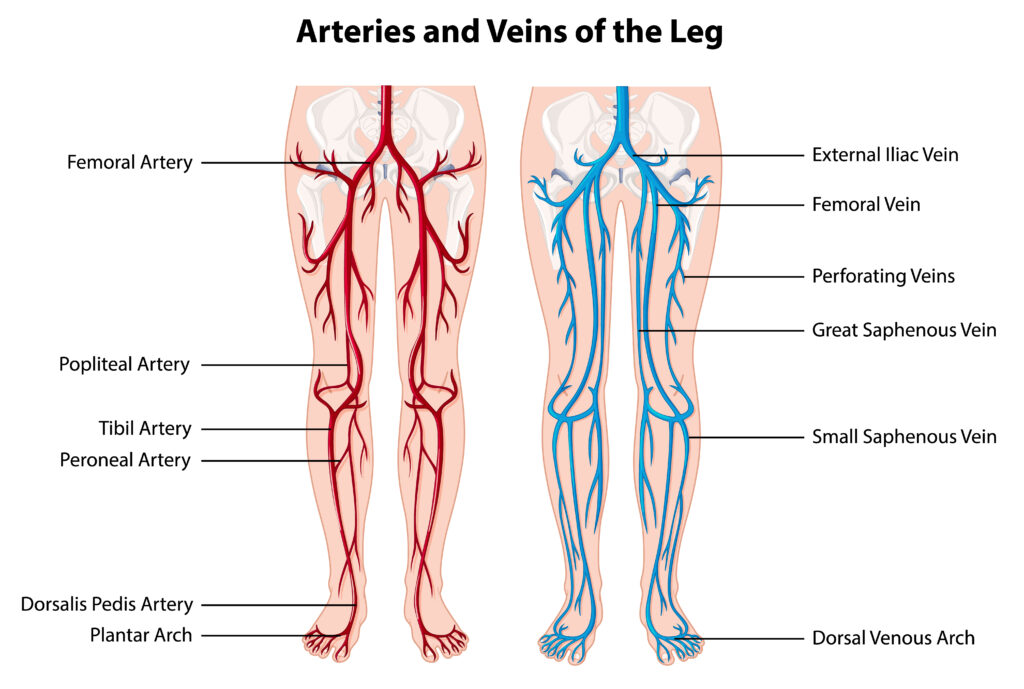
Peripheral Vascular Disease (PVD) is a common health problem that affects blood flow in the legs and arms. Many people do not know they have it. However, early detection can help prevent serious issues. PVD, also called leg artery disease or poor circulation in legs, can lead to pain and other symptoms. In this blog, you will learn about PVD symptoms and treatment, causes, diagnosis, and prevention tips. Understanding PVD is important for your health and well-being.
What is Peripheral Vascular Disease (PVD)?
PVD is a condition where blood vessels outside the heart and brain become narrow or blocked. This makes it hard for blood to flow to your arms and legs. As a result, your muscles may not get enough oxygen. Most often, PVD affects the legs.
Anyone can get PVD, but some people are at higher risk. For example, older adults, smokers, people with diabetes, and those with high blood pressure are more likely to develop PVD. If you have a family history of heart or blood vessel disease, your risk is also higher.
Common Symptoms of PVD
PVD can cause many symptoms. Sometimes, people do not notice any signs at first. But as the disease gets worse, symptoms may appear. Watch for these common signs:
If you notice any of these symptoms, it is important to talk to your doctor. Early treatment can help prevent complications.
Causes and Risk Factors
PVD happens when blood vessels become narrow or blocked. The main cause is a buildup of fatty deposits, called plaque, inside the arteries. This process is known as atherosclerosis.
Several factors can increase your risk of PVD. These include:
Because these risk factors are common, it is important to know your own risk and take steps to stay healthy.
How is PVD Diagnosed?
Doctors use several methods to diagnose PVD. First, they will ask about your symptoms and medical history. Next, they will do a physical exam. They may check the pulse in your legs and feet.
To confirm the diagnosis, doctors may use tests such as:
With these tests, your doctor can find out how severe your PVD is and plan the best treatment.
Treatment Options for PVD
Treating PVD can help improve blood flow and reduce symptoms. Treatment depends on how severe your condition is. Often, doctors suggest a mix of lifestyle changes, medicine, and sometimes procedures.
With the right treatment, many people with PVD can lead active lives.
Prevention and Lifestyle Tips
Although PVD can be serious, you can lower your risk with healthy habits. Here are some tips:
By following these tips, you can help prevent PVD or manage it better if you already have it.
When to See a Doctor
If you notice pain, numbness, or sores on your legs or feet, do not wait. See a doctor right away. Early treatment can stop PVD from getting worse. Also, if you have risk factors like diabetes or high blood pressure, regular check-ups are important. Remember, acting early can protect your health.
If you notice symptoms of Peripheral Vascular Disease (PVD), consult Dr. Ketika Potey, a healthcare specialist, for personalized advice and early treatment.