What is a Lobectomy?
A lobectomy is a surgery to remove one section, or lobe, of the lung. Doctors often use this treatment for lung cancer or other lung diseases. In fact, lobectomy is the most common surgery for early-stage lung cancer. The lungs have several lobes. Removing one lobe can help stop disease from spreading. According to the CDC, this surgery can improve outcomes for many patients.
Indications: When is Lobectomy Needed?
Doctors may suggest a lobectomy for several reasons. Usually, it is needed when:
Sometimes, other treatments do not work. In these cases, lobectomy may be the best option. The World Health Organization notes that early surgery can help prevent cancer from spreading.
Preparation for Lobectomy
Before a lobectomy, your doctor will do several tests. These help check your lung and heart health. For example, you may need:
Next, your doctor will explain the lung lobectomy procedure. You should tell your doctor about any medicines you take. In addition, you may need to stop eating or drinking the night before surgery. Always follow your care team’s instructions closely.
The Lobectomy Procedure: Step-by-Step
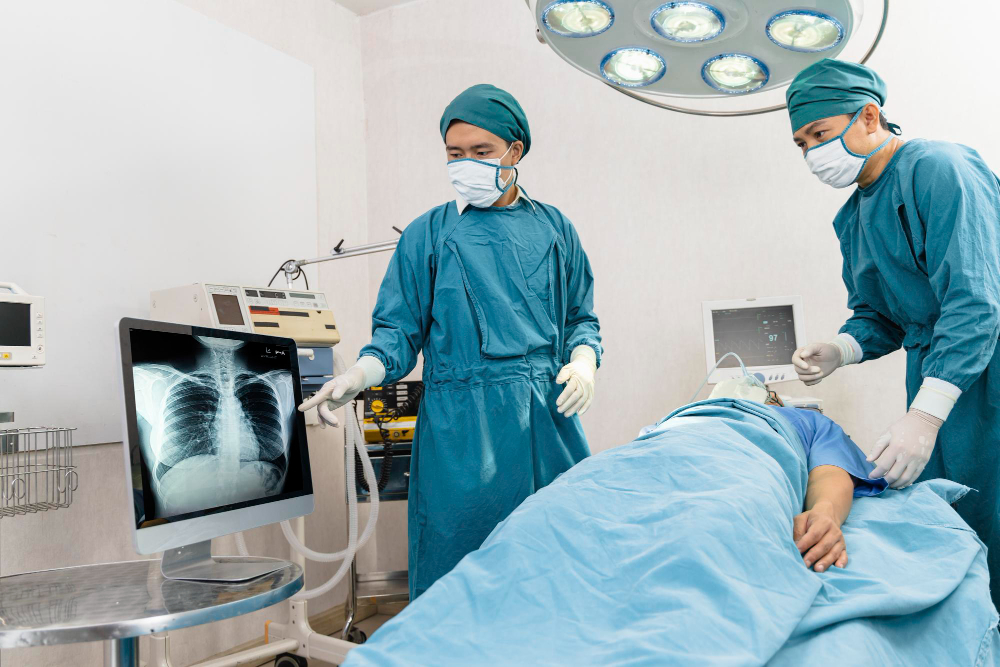
During a lobectomy, you will be asleep under general anesthesia. The surgeon can use one of two main methods:
First, the surgeon removes the affected lobe. Then, they close the cuts with stitches or staples. Usually, a tube is left in your chest to drain fluid and air. The whole surgery may take two to four hours. According to the American Cancer Society, minimally invasive methods often mean a shorter hospital stay.
Recovery and Aftercare
After lobectomy surgery, you will spend time in the hospital. Most people stay three to seven days. While in the hospital, your care team will:
Once you go home, you should:
Recovery time varies. However, most people feel better in four to eight weeks. For more details, see CDC and peer-reviewed sources on lobectomy surgery recovery.
Risks and Potential Complications
Like all surgeries, lobectomy has some risks. Common lobectomy risks include:
Most problems are rare, but it is important to know what to expect after lobectomy. Your doctor will discuss your personal risk before surgery. The American Thoracic Society notes that quitting smoking before surgery lowers many risks.
Lifestyle Tips After Lobectomy
After a lobectomy, you can still live a full life. To help your recovery and protect your lungs:
Additionally, joining a support group can help you adjust. Many people return to normal activities within a few months.
Prevention and Early Detection
While not all lung problems can be prevented, you can lower your risk. For example:
Early detection of lung disease makes treatment easier. The CDC recommends lung cancer screening for people at higher risk, such as long-term smokers.
If you or a loved one may need a lobectomy, talk to a specialist. They can give you personalized advice and answer your questions about lobectomy surgery recovery, risks, and what to expect after lobectomy. Consult Dr. Ketika Potey for expert guidance on lobectomy.