
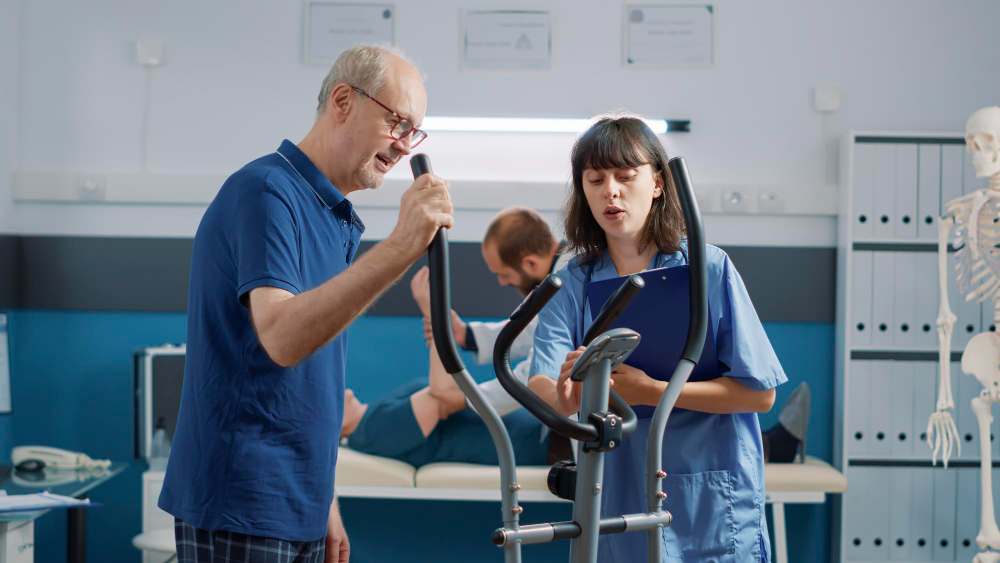
What Is Cardiac Rehabilitation After Surgery?
Cardiac rehabilitation after surgery is a special program that helps people heal and get stronger after heart surgery. This program includes exercise, education, and support. For many patients, it is a key part of heart surgery recovery. In fact, the World Health Organization (WHO) and the Centers for Disease Control and Prevention (CDC) recommend cardiac rehab for most people after heart surgery. Because every person is different, rehab plans are made to fit each patient’s needs. As a result, you get care that matches your health and recovery goals.
Common Reasons for Cardiac Rehabilitation
Many people need cardiac rehabilitation after different types of heart surgery. Some common reasons include:
After surgery, your doctor may suggest rehab to help you regain strength. Often, rehab also lowers your risk of future heart problems.
Key Steps in the Cardiac Rehabilitation Process
Cardiac rehabilitation programs usually follow a few main steps. Although each program is unique, most include:
Because rehab is often done in a clinic or hospital, you may need to find a program near your home. Many cities offer local cardiac rehab centers, so ask your care team about options in your area.
Benefits of Cardiac Rehabilitation
Cardiac rehabilitation after surgery offers many benefits. For example, you may notice:
According to the CDC, people who join cardiac rehab often live longer and feel better. In addition, rehab can help you avoid hospital stays in the future.
Lifestyle Changes for a Stronger Recovery
After heart surgery, making healthy changes is important. While rehab gives you tools, you also play a big role. Try these heart-healthy habits:
Because small steps add up, even tiny changes can help your heart heal and stay strong.
Tips for Staying Motivated During Recovery
Staying motivated during cardiac rehabilitation can be hard at times. However, there are ways to keep going:
Because recovery can feel slow, remember that every step counts. If you feel stuck, talk to your rehab team for advice and encouragement.
Preventing Future Heart Problems After Surgery
After heart surgery, it is important to prevent new heart problems. While cardiac rehabilitation helps, you can also:
Because heart health is a lifelong journey, staying informed and making healthy choices can protect your heart for years to come, consult Dr. Ketika Potey forpersonalised care.