What is an Aortic Aneurysm?
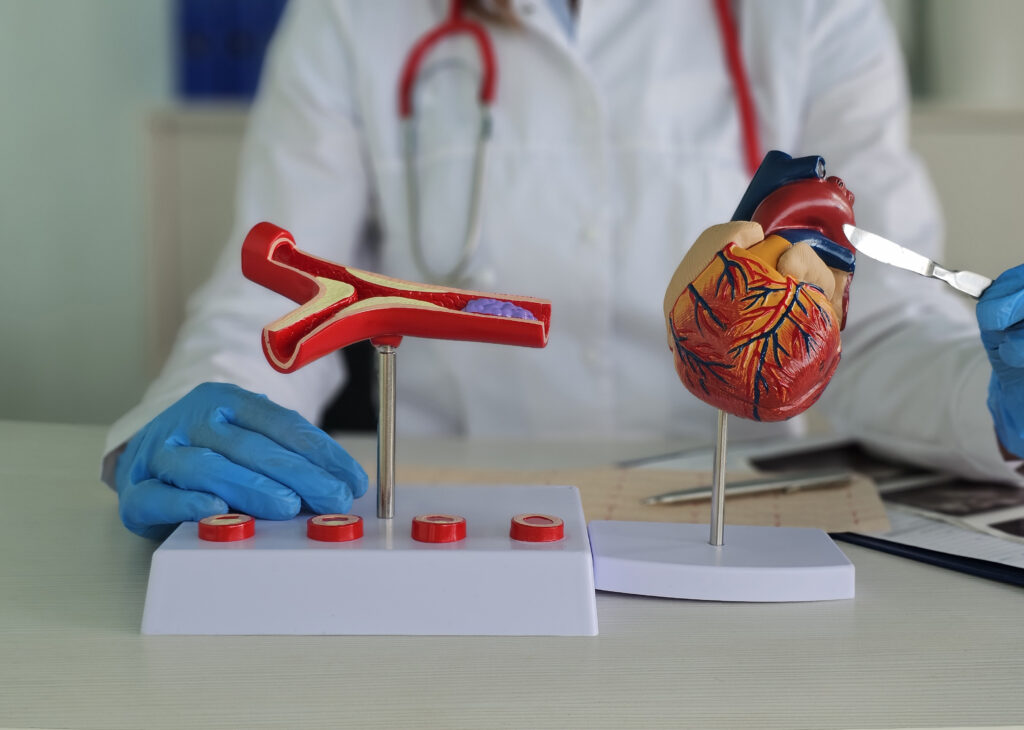
An aortic aneurysm is a bulge or swelling in the wall of the aorta. The aorta is the main blood vessel that carries blood from your heart to the rest of your body. When this vessel weakens, it can stretch and form an aneurysm. If the aneurysm grows too large, it may burst. This can be life-threatening. In fact, aortic aneurysm surgery can save lives when the risk of rupture is high. According to the Centers for Disease Control and Prevention (CDC), aortic aneurysms cause thousands of deaths each year in the United States.
Common Symptoms and Warning Signs
Often, aortic aneurysms do not cause symptoms until they become large. However, some people may notice warning signs. For example, you may feel pain in your chest, back, or belly. In addition, you might notice a pulsing feeling near your navel. If the aneurysm bursts, you may have sudden, severe pain, low blood pressure, or fainting. These are medical emergencies. Therefore, it is important to seek help right away if you notice these symptoms.
Causes and Risk Factors
Several factors can increase your risk for an aortic aneurysm. For instance, high blood pressure can weaken artery walls. Smoking is another major risk. In addition, family history plays a role. Some people are born with conditions that affect blood vessels. Age and gender also matter. Men over 65 are more likely to develop this problem. However, women can be affected too.
How Aortic Aneurysms are Diagnosed
Doctors use several tests to find aortic aneurysms. Often, they discover them by chance during scans for other problems. However, if you have risk factors, your doctor may suggest screening. For example, an ultrasound can show an aneurysm in the belly. In addition, CT scans and MRIs give detailed images. These tests help doctors decide on the best treatment for aortic aneurysm.
When is Surgery Needed?
Not all aortic aneurysms need surgery right away. However, surgery becomes life-saving if the aneurysm is large or growing quickly. Doctors may also recommend surgery if you have symptoms. In addition, if the aneurysm is at risk of bursting, surgery is urgent. Your doctor will check the size and location of the aneurysm. They will also consider your overall health before deciding.
Types of Surgical Treatments
There are two main types of aortic aneurysm surgery. First, open surgery involves replacing the weak part of the aorta with a tube called a graft. This is a traditional approach. Second, endovascular repair is less invasive. In this procedure, doctors insert a stent graft through a small cut in your groin. The stent reinforces the aorta from inside. Both methods can be life-saving heart procedures. Your doctor will choose the best option for you.
Recovery and Lifestyle Tips After Surgery
After aortic aneurysm surgery, recovery takes time. However, most people can return to normal activities within weeks. Your doctor will give you specific instructions. For example, you may need to avoid heavy lifting at first. In addition, taking your medicines as prescribed is important. Eating a healthy diet and staying active can help your heart heal. Regular follow-up visits are also needed to check your progress.
Prevention and Early Detection
Preventing an aortic aneurysm starts with healthy habits. For example, quitting smoking lowers your risk. In addition, controlling blood pressure is key. Eating well and staying active also help. If you have a family history, talk to your doctor about screening. Early detection can lead to better outcomes. The CDC and World Health Organization recommend regular check-ups for those at risk.
If you or a loved one is at risk for an aortic aneurysm, consult a cardiologist Dr. Ketika Potey for personalized advice. Early action can save lives.