
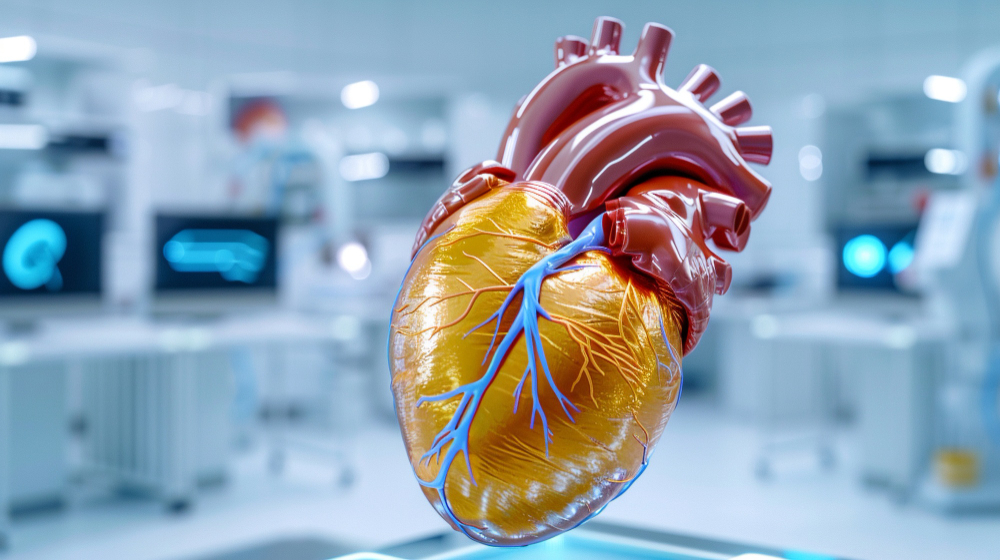
What is Off-Pump (Beating Heart) CABG?
Off-Pump (Beating Heart) CABG is a type of heart bypass surgery. In this method, doctors perform the surgery while your heart is still beating. Unlike traditional bypass surgery, this approach does not use a heart-lung machine. Instead, your heart keeps working during the procedure. Many people call this “bypass surgery without the heart-lung machine” or “beating heart bypass surgery.” This method is safe and effective for many patients. According to the American Heart Association, it is a common choice in many hospitals.
How Does Off-Pump CABG Differ from Traditional Bypass Surgery?
Traditional bypass surgery uses a heart-lung machine. This machine takes over your heart and lung functions during surgery. However, Off-Pump CABG does not use this machine. Instead, surgeons use special tools to steady parts of your heart. This allows them to work while your heart beats. As a result, the rest of your heart keeps pumping blood. For many, this means a less invasive surgery. In addition, recovery may be smoother for some patients.
Who Needs Off-Pump CABG?
Doctors may suggest Off-Pump CABG for people with blocked heart arteries. Usually, it is for those who need a bypass but may not do well with a heart-lung machine. For example, older adults or people with kidney or lung problems may benefit. However, not everyone is a candidate. Your heart specialist will decide if this surgery is right for you. They will look at your health, age, and the number of blocked arteries.
Benefits and Risks of Off-Pump CABG
Off-Pump CABG offers several advantages. However, there are also some risks. It is important to know both before making a decision.
According to the World Health Organization (WHO), all surgeries carry some risk. Therefore, talk to your doctor about your options.
The Off-Pump CABG Procedure: Step-by-Step
Understanding the steps can help you feel more prepared. Here is what usually happens during Off-Pump CABG:
Most surgeries take three to six hours. However, times can vary based on your health and the number of arteries being bypassed.
Recovery and Aftercare Tips
After Off-Pump CABG, recovery is important. While many people recover faster than with traditional surgery, you still need to take care.
With proper care, most people return to normal activities in six to twelve weeks. However, everyone heals at their own pace.
Prevention and Heart-Healthy Lifestyle Advice
Even after surgery, it is important to protect your heart. Therefore, making healthy choices can help prevent future problems.
According to the CDC, these steps lower your risk of heart disease and help you stay healthy longer.
Frequently Asked Questions
For more information, consult trusted sources like the American Heart Association or your local heart specialist.
Consult a heart specialist Dr. Ketika Potey for personalized advice on Off-Pump CABG and heart health.