
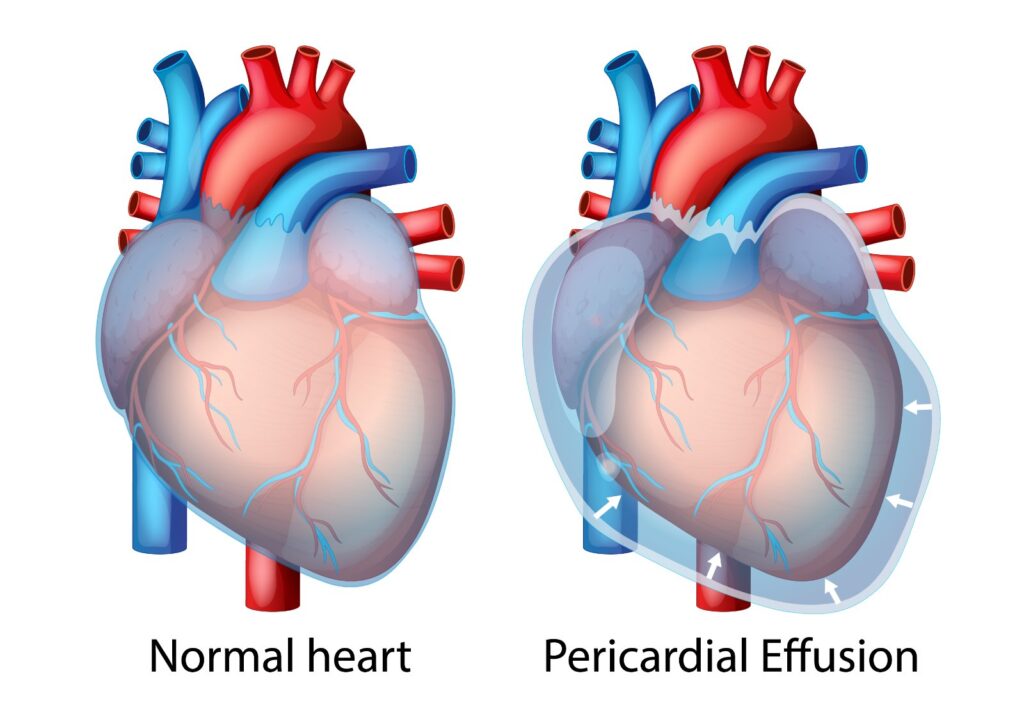
What is Pericarditis?
Pericarditis is swelling or irritation of the pericardium. The pericardium is a thin, two-layered sac that surrounds your heart. When this sac becomes inflamed, it can cause chest pain and other symptoms. Pericarditis: Diagnosis & Cardiac Evaluation is important for finding the cause and planning treatment. This condition can affect people of all ages, but it is more common in adults.
Common Symptoms
Many people with pericarditis notice symptoms quickly. However, some signs can be mild or mistaken for other problems. Knowing the signs of pericarditis helps you seek care early.
Sometimes, the pain spreads to the neck, back, or shoulders. If you notice these symptoms, it is important to talk to a doctor.
Causes and Risk Factors
Pericarditis can have many causes. Often, doctors cannot find a clear reason. Still, some factors increase your risk.
Additionally, people with weak immune systems may be at higher risk. Sometimes, pericarditis happens after a respiratory infection.
How Pericarditis is Diagnosed
Doctors use several steps in the pericarditis diagnosis process. First, they ask about your symptoms and medical history. Next, they perform a physical exam. During the exam, your doctor may listen for a special sound called a “friction rub” with a stethoscope. This sound can suggest pericarditis.
However, to confirm the diagnosis, doctors often order tests. These tests help rule out other causes of chest pain and check your heart’s health.
Cardiac Evaluation Methods
Cardiac evaluation for pericarditis uses different tools. These help doctors see how your heart and pericardium are working. For example, they may use:
Because each case is different, your doctor will choose the best tests for you. Early cardiac imaging for pericarditis helps guide treatment and prevent problems.
Treatment Options
Treatment for pericarditis depends on the cause and how severe it is. Most people recover with simple care. However, some may need more help.
In rare cases, doctors may need to drain fluid from around the heart. Most people feel better within a few weeks, but follow-up is important.
Prevention and Lifestyle Tips
While you cannot always prevent pericarditis, some steps may lower your risk. For example, you can:
Additionally, living a heart-healthy lifestyle supports your recovery. Eat a balanced diet, stay active as advised, and avoid smoking.
When to See a Doctor
If you have chest pain, shortness of breath, or a fast heartbeat, seek medical help right away. These can be signs of pericarditis or other serious heart problems. Early diagnosis and cardiac evaluation are key to safe treatment. Even if your symptoms are mild, it is best to check with a healthcare provider.
Consult Dr. Ketika Potey for personalized advice on pericarditis diagnosis and care.