
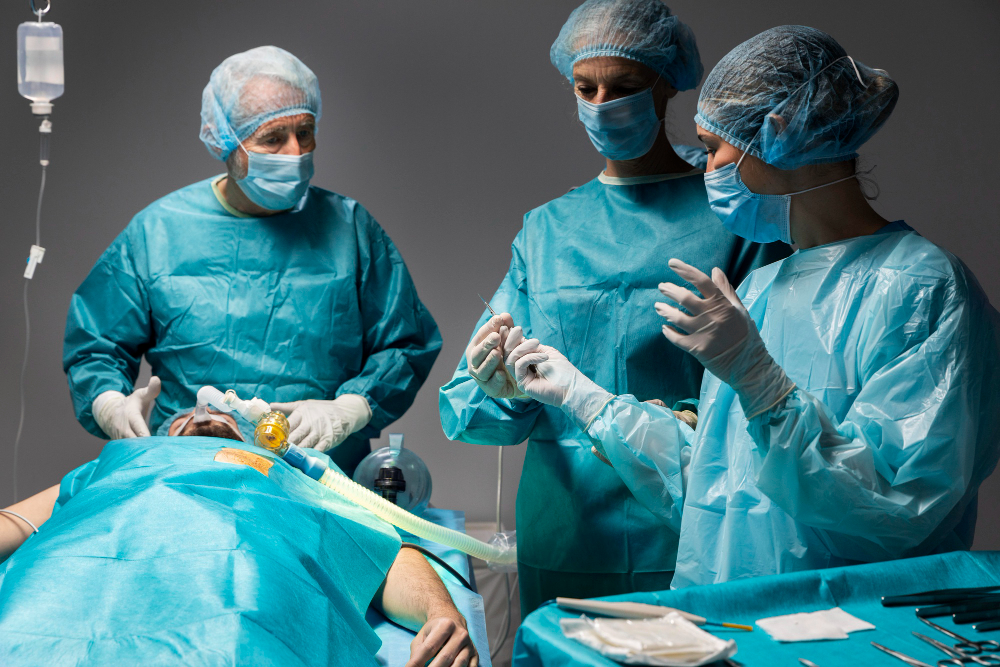
Mediastinal tumors are growths that develop in the area between your lungs, called the mediastinum. This space holds your heart, major blood vessels, and other important structures. For many people, surgical management of mediastinal tumors is the best way to remove these growths and improve health. In this blog, you will learn what mediastinal tumors are, how they are treated, and what to expect if you or a loved one needs surgery.
What Are Mediastinal Tumors?
The mediastinum is the central part of your chest, located between the lungs. It contains the heart, windpipe, food pipe, and large blood vessels. Sometimes, abnormal growths or tumors can form in this area. These are called mediastinal tumors.
There are different types of mediastinal tumors. Some are non-cancerous (benign), while others are cancerous (malignant). Common types include:
Each type may need a different treatment approach. However, surgery is often a key part of care.
Symptoms and Causes
Many people with mediastinal tumors do not notice symptoms at first. But as the tumor grows, it can press on nearby organs. This can cause problems. Common symptoms include:
There are several causes of mediastinal tumors. Some develop from leftover cells from before birth. Others may be linked to infections, immune system problems, or cancer spreading from other parts of the body.
Diagnosis of Mediastinal Tumors
Doctors use several tests to find and diagnose mediastinal tumors. First, they may ask about your symptoms and do a physical exam. Next, they often order imaging tests, such as:
Sometimes, doctors need a sample of the tumor. They may use a needle or a small surgery to get tissue for testing. This is called a biopsy. The results help decide the best treatment plan.
Surgical Management Options
Surgery is often the main treatment for mediastinal tumors. The goal is to remove the tumor safely. There are several surgical approaches. Your doctor will choose the best one based on the tumor’s size, type, and location.
During mediastinal tumor surgery, doctors carefully remove the mass and try to protect nearby organs. Sometimes, they may also remove lymph nodes. After surgery, the tumor is sent to a lab for more testing.
Most patients stay in the hospital for a few days after mediastinal mass removal. Your care team will watch you closely and help manage pain.
Recovery and Aftercare
Recovery after mediastinal tumor surgery depends on the type of surgery and your overall health. Usually, you will need to rest and avoid heavy lifting for several weeks. Your doctor will give you specific instructions.
Here are some tips for a smoother recovery:
Possible complications include infection, bleeding, or breathing problems. However, most people recover well with proper care. If you notice fever, severe pain, or trouble breathing, contact your doctor right away.
Prevention and Lifestyle Guidance
While you cannot always prevent mediastinal tumors, you can take steps to stay healthy. Here are some helpful tips:
Although these steps cannot guarantee prevention, they support your overall health and may lower your risk.
Frequently Asked Questions
Conclusion and Call-to-Action
Mediastinal tumors can be serious, but surgical management offers hope for many people. Early diagnosis, the right surgery, and good aftercare are key to better outcomes. If you have symptoms or concerns, consult Dr. Ketika Potey for personalized guidance.